Scoring Goals for Christ in Uruguay
Latin America CaribbeanAs palm trees sway in the wind, the steady sound of children playing soccer reaches your ears. You smell the sea, the scent carried on a soft breeze as you walk from European-influenced colonial era structures to modernist skyscrapers. You hear the constant murmur of sing-songy Spanish down every street. This is Montevideo, the capital of Uruguay.
Despite Montevideo’s lively atmosphere and strong European influence, almost all its people are spiritually dead, indifferent to the gospel.
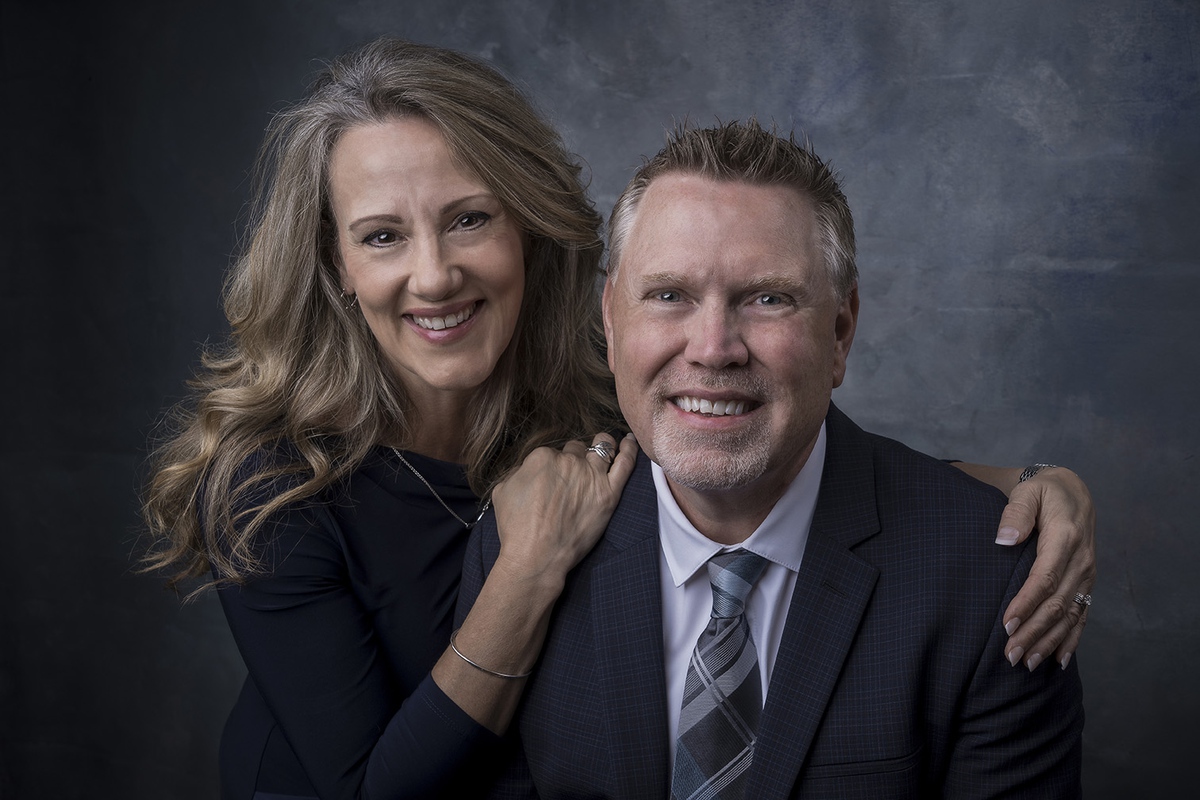
Steve and Jill McCarthy have been ministering in Uruguay for 18 years. When considering their call to missions, the McCarthys were interested in Spanish-speaking countries with little gospel access. The couple interviewed for their missions appointment two days after their honeymoon. Almost two decades later, the McCarthys, along with their three children, Lucas, Josh, and Julia, continue to reach Uruguay with the gospel.
Uruguay is atheistic and secular. Evangelism more closely resembles outreach in European countries, rather than other Central and South American countries. Steve says, “Not many people will allow their kids to attend a children’s church, an outreach, or Vacation Bible School.” This forced the McCarthy family to be creative with the way they reach out to their neighbors.
Soccer, or fútbol, is popular in Uruguay. Steve and Jill saw the sport as an opportunity to connect with the people whom God sent them to reach. Because it often takes time for people to warm up to hearing the gospel, “Fútbol has become our greatest tool of evangelism,” they say.
The people in Uruguay are often closed to the gospel, and the government makes it easy to be so. The country legalized six things that place it among the most liberal nations in the world: abortion, same-sex marriage, prostitution, divorce, sale and production of marijuana, and euthanasia. Amid this darkness, Hope for Uruguay 100 was born.
Steve and Jill founded Hope for Uruguay 100, a church planting and construction initiative to establish 100 new churches and build 100 sanctuaries in 10 years.
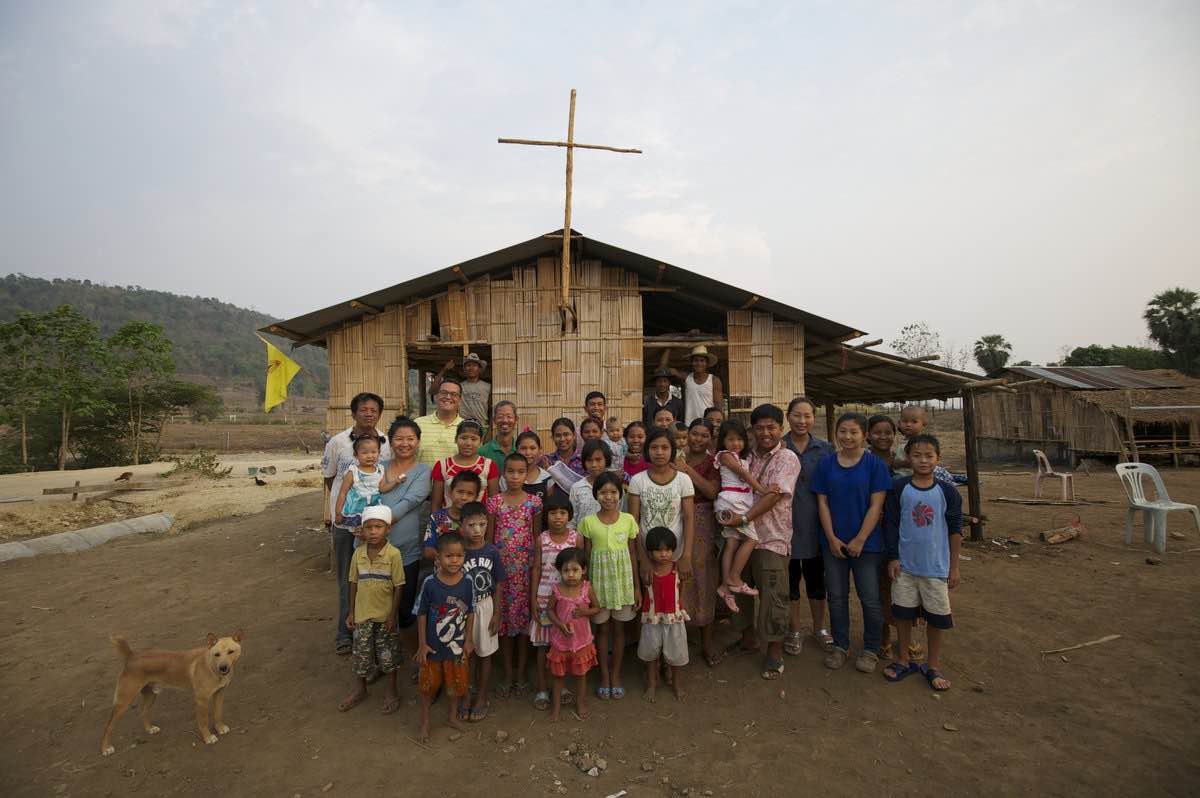
To accomplish this goal and ensure healthy, long-lasting churches, Steve and Jill have a year-long training and mentoring program that supports young couples establishing their first church. The McCarthys walk through the process with these Uruguayan church planters, building new communities of faith in the least reached parts of the country. Often, these new congregations will initially meet under tents, in homes, community centers, storefronts, or garages. As the congregations grow, so does their need for a building.
Having their own structure allows them to meet multiple times per week and gives them adequate space for outreach ministries, better positioning them to reach and disciple more people.
Because of the spiritual darkness and high rate of atheism in this nation, Hope for Uruguay 100 could not happen without God’s intervention. Thankfully, God always shows up. Many miracles have happened during the project’s ministry.
A Christian couple interested in planting a church saw hungry children in their community and started a feeding program. In addition to food, they would share a Bible story, sing songs, and pray together. The mayor heard how they were helping these kids, teaching them values and life lessons.
The mayor asked, “If we were to give you a piece of property, would you build something so you could continue to help the kids in our area?”
The Uruguayan government does not do that kind of thing. They have never gifted a church a piece of property. This was not only a great piece of land, but it was also next to the local elementary school. The Christians gratefully accepted the property, but the miracle did not stop there.
The government officials saw that the property was slanted, so they sent 70 truckloads of fill dirt to level it. A local man heard what was happening and donated bags of cement so they could lay a foundation. Steve set up a tent and preached for the first week of outreach services. Kids from the feeding program brought their parents, aunts and uncles, and other family members. They heard the gospel for the first time and many accepted Christ as Savior.
The following year, construction started on the property. It went well, and the mayor offered another piece of property on the opposite side of the city and asked if Hope for Uruguay 100 would do something similar there. Officials wanted to donate the property before the end of the year, but they were recessing on Christmas Eve at five o’clock and would not be working again for weeks. This would delay Hope for Uruguay 100’s work.
However, government leaders made sure they signed the paperwork 15 minutes before the end of the day. “It was the last thing they did before Christmas recess,” Steve said.
Hope for Uruguay 100 has provided dozens of buildings through miracles like this. Since its inception, however, the desire has been more than creating a physical location for people to gather. It is about raising a group of believers to fill these churches and help bring gospel transformation to the community.
“These churches are self-supporting, self-governing, and actively reaching out to their communities,” Steve says. This is vital, as many of these areas have never had a church, neither Catholic nor Protestant. Hope for Uruguay 100 gives them their first experience with a church in the community.
Churches 34 and 35 recently finished construction and Hope for Uruguay 100 will complete five or six more by the end of the year. While church planting in Uruguay may seem like slow work, and the goal of 100 churches in 10 years may seem unattainable, nothing could be further from the truth.
“These new communities of believers have a heart for church planting as well,” Jill says, “and it’s incredible to see the momentum that this initiative has created among the national church to see more churches established and neighborhoods reached.”
In addition to their work in Hope for Uruguay 100, Steve and Jill teach and train future pastors at the residential Bible school near the capital. They also have helped with renovations at the Bible school and at the local Teen Challenge center. God is working in many places throughout Uruguay.
The McCarthys have seen these areas intersect with one another. For example, some of the pastors of the new church plants were their former students at the Bible school. Some even graduated from Teen Challenge before attending Bible school. From drug-filled to Spirit-filled, these ministers have come from a strong support system they now use to help others be healed, delivered, and saved.
While Steve and Jill use their talents where God has placed them, they aren’t the only ones eager to help. Their three children are part of the ministry in Uruguay and enjoy helping on the job sites and with the soccer outreaches.
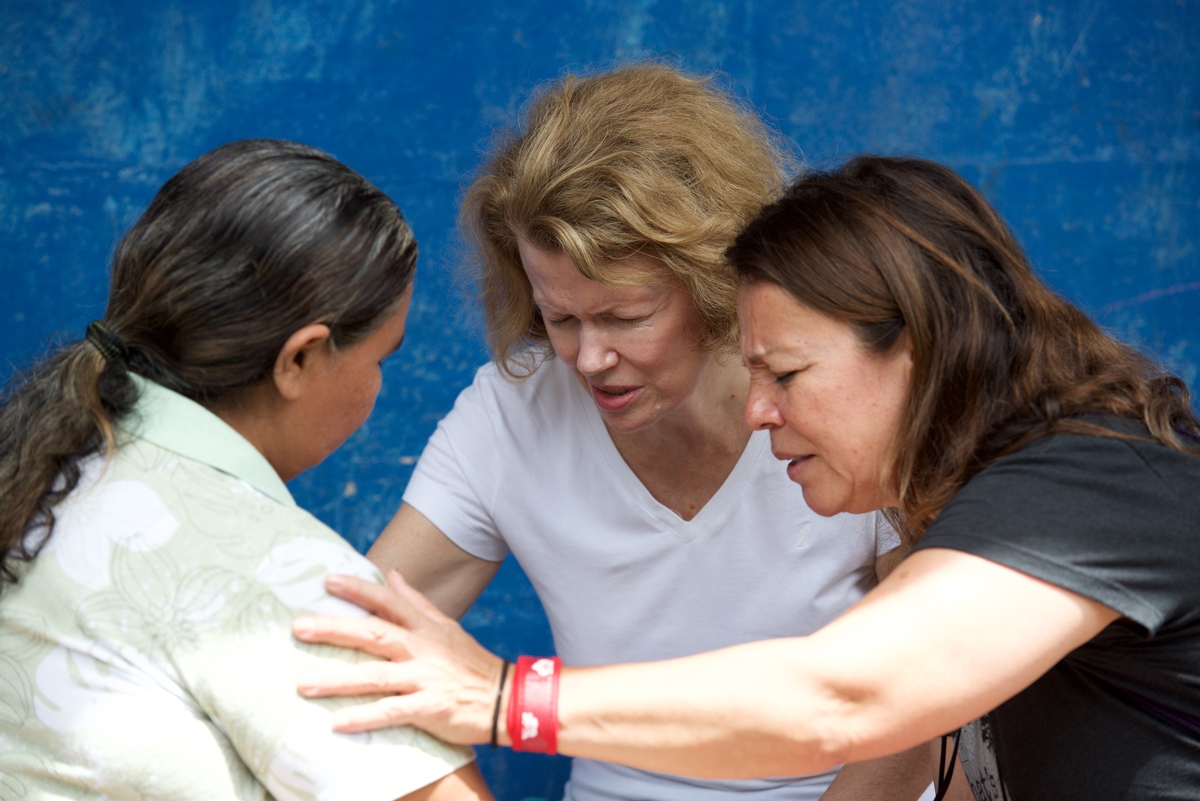
Steve and Jill pray for their community and family every day. Their vision is to see more Bible-believing churches across Uruguay to bring the gospel where it hasn’t reached before.
“I would love to see Hope for Uruguay 100 not only hit 100 new churches, but to go well beyond that number,” Steve says.
The McCarthys are excited to see how God uses them and develops their children’s gifts to better serve Him. For now, they’re spreading the gospel by building one church and scoring one goal at a time.
Jaron Lussier
Intern
AG World Missions Communications